


11 Aug Landfill Remediation Under Citizens’ Watch: Who Is Making Sure the Rules Are Being Followed?
From the long-standing problem of the unsanitary landfill in Valjevo to the fires that draw attention to waste management in Serbia every summer, what does landfill remediation actually mean, and who monitors what happens after a landfill is closed?
Burning Questions About Burning Landfills: Are We Prepared for Such Crises?
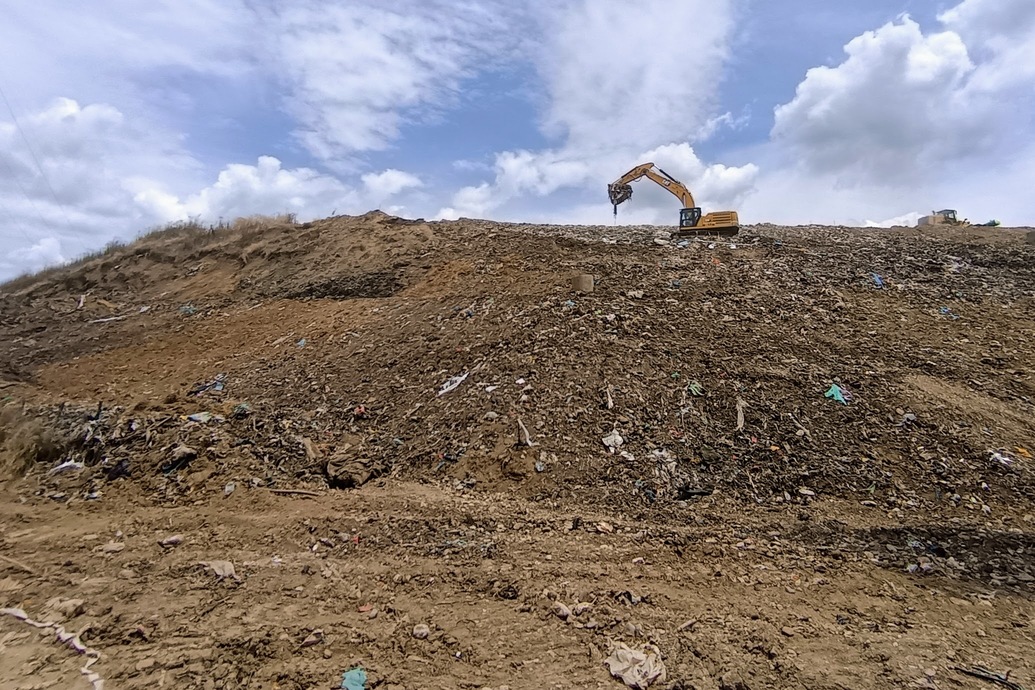
In recent years, landfills in Serbia have increasingly made headlines because of fires. In 2025, more than 2,200 landfill fires were recorded, meaning that, on average, around six landfills were burning every day. A landfill fire may temporarily attract public attention, but for people living nearby, the problem lasts much longer. The issue is not only on the surface; it runs much deeper. Waste can continue smouldering deep below the surface for a long time, while gases, leachate and combustion by-products can pose long-term risks to the environment and human health. This is why the issue of landfills does not end when the fire is put out. It is important to know what happens to the waste, what impact the landfill has on its surroundings, whether institutions are acting in accordance with regulations and, once remediation begins, whether it is actually being carried out according to plan.
In Valjevo, years of public dissatisfaction with the way the landfill was managed led to protests, blockades and legal proceedings. Now that remediation, closure and recultivation works have begun, Lokalni odgovor, a Valjevo-based organisation, sees its role as monitoring the process and advocating for transparency. Through the project “Landfill 2.0 (From Blockade to Monitoring)”, implemented as part of the ECO SYSTEM programme, the organisation is working to encourage greater citizen participation, improve access to information and help people understand all stages of a remediation process that directly affects the environment and the quality of life of the local community.
Lokalni odgovor does not question the need to finally resolve this decades-old problem. Instead, it insists that the entire process be carried out professionally and lawfully, with open communication with the public. We spoke with Slavica Pantić, an activist with the organisation and project coordinator, about what the struggle for responsible landfill remediation looks like in Valjevo, what mechanisms citizens can use to monitor the work of institutions, and why responsibility does not end when a landfill is closed.
You have been raising concerns about the landfill in Valjevo for years. What did citizens most want to change, and what was needed for their voices to start being taken more seriously?
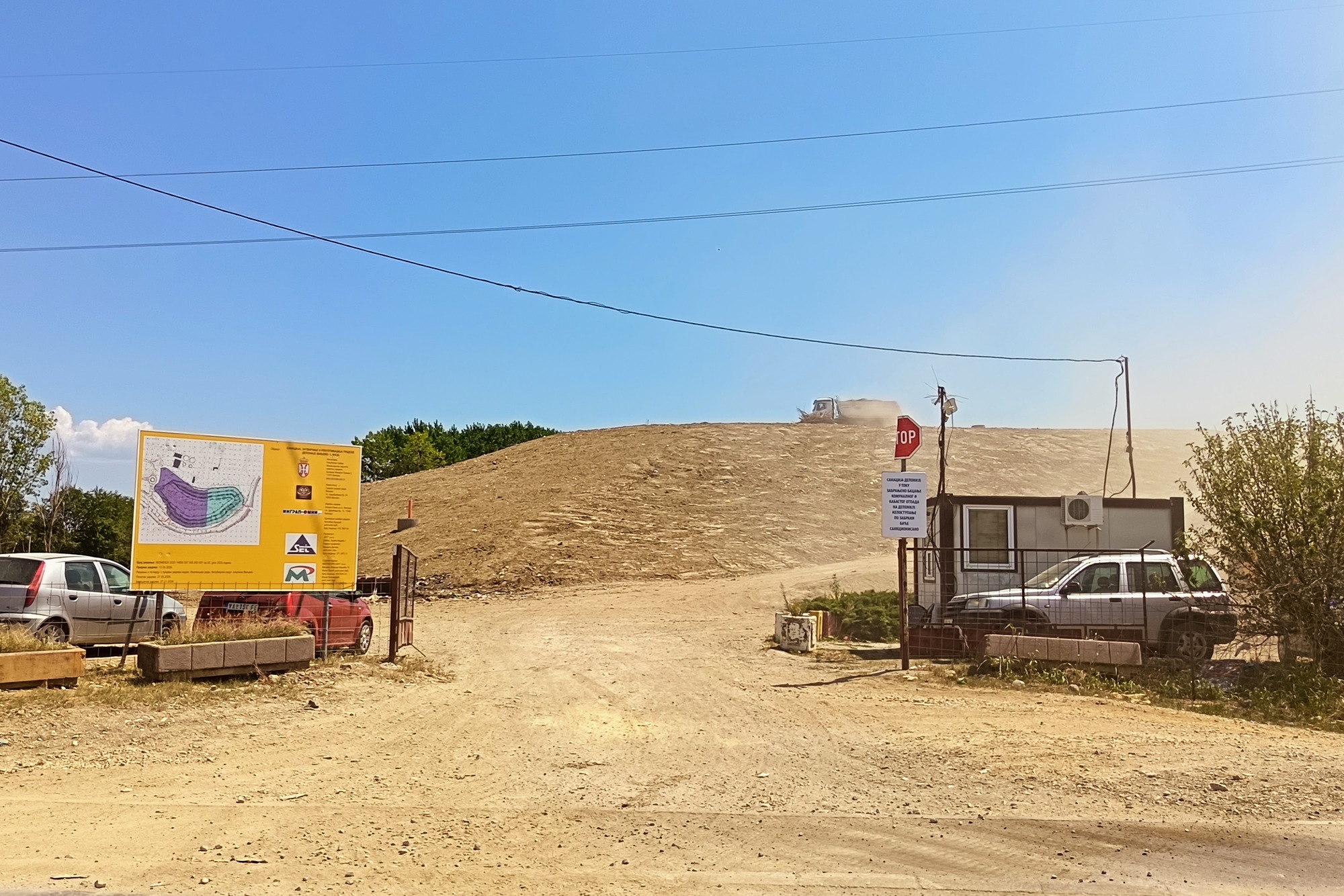
People from Grabovica, Belosevac, Mrcic and Goric have been living next to the landfill for years, experiencing the consequences of pollution, foul smells, smoke and dust. Living next to the landfill had become extremely difficult – you could no longer take for granted whether you could open a window, sit in your garden or grow something on your land. The fires at the beginning of last year were simply the final straw after years of problems.
Lokalni odgovor joined and supported the initiative of an informal citizens’ group. The citizens first warned the local authorities and demanded action. When there was no response, they organised a warning blockade and then blocked the entrance to the landfill for almost a month. Eventually, with the help of lawyers, they secured an interim court order banning the disposal of municipal waste at the landfill. It became clear that their voice was not taken more seriously because they spoke louder, but because they organised, persisted and used the mechanisms available to them.
You have moved from protests and a blockade to monitoring the remediation process. What has changed in your approach, and what does “from blockade to monitoring” mean to you?
The blockade was a way of making sure the problem could no longer be ignored. Monitoring is a way of checking whether the promised solution will actually solve the problem.
For years, local authorities had announced the closure and remediation of the landfill, while the project kept being postponed. The court decision encouraged local residents because it showed that their years of warnings had a basis. But starting the remediation works does not, in itself, mean that the problem has been solved. From our conversations with local residents, it is clear that they never wanted conflict – they wanted the horror of a mountain of uncontrolled waste, foul smells and dust to finally disappear from their lives. After so many unfulfilled promises, it was entirely logical that citizens would want to monitor what is actually being done now. That is why, for us, “from blockade to monitoring” means moving from the struggle to have the problem recognised to citizens monitoring how it is being addressed.
When we talk about transparent landfill remediation, what does that actually mean? What information do citizens have the right to obtain from institutions?
Transparent remediation means that citizens can find out what will be done, who is doing it, how much it costs, which project and permits the work is based on, how the quality of the works is monitored and, most importantly, what impact the remediation has on the environment.
For citizens, successful remediation is not about whether a certain number of square metres of liner or a certain volume of material has been installed. Those are works. The goal of remediation is to eliminate or significantly reduce the risks the landfill poses to people and the environment. Citizens therefore need to know whether new fires will be prevented, whether polluted water leaking into the Kolubara River and the surrounding soil will be prevented, whether the spread of gases, unpleasant odours and dust will be reduced, and how all of this will be measured and monitored.
This is one of the most important environmental and capital investment projects in Valjevo, funded with public money. That is why documentation, spending, oversight of the works and environmental monitoring results should be available to the public, rather than being limited to occasional updates about how much material has been installed.
How important are mechanisms such as requests for access to information of public importance in your work? What have you managed to learn about the remediation of the Valjevo landfill through these requests?
Without requests for access to information of public importance, we would not know much of what we know today about the remediation process. There is very little documentation about this work available through the official websites and presentations of the City, JKP Vidrak and the Ministry of Environmental Protection.
We followed the selection of the contractor through the Public Procurement Portal, while requests for access to information enabled us to obtain the contract between the City and the contractor, an annex concluded after the works had begun which increased the value of the contract, as well as the agreement between the City and the Ministry on financing. This agreement is particularly important because, among other things, it sets out the obligation of local authorities to obtain the necessary approvals, report on the progress of the works and ensure environmental monitoring during and after the project.
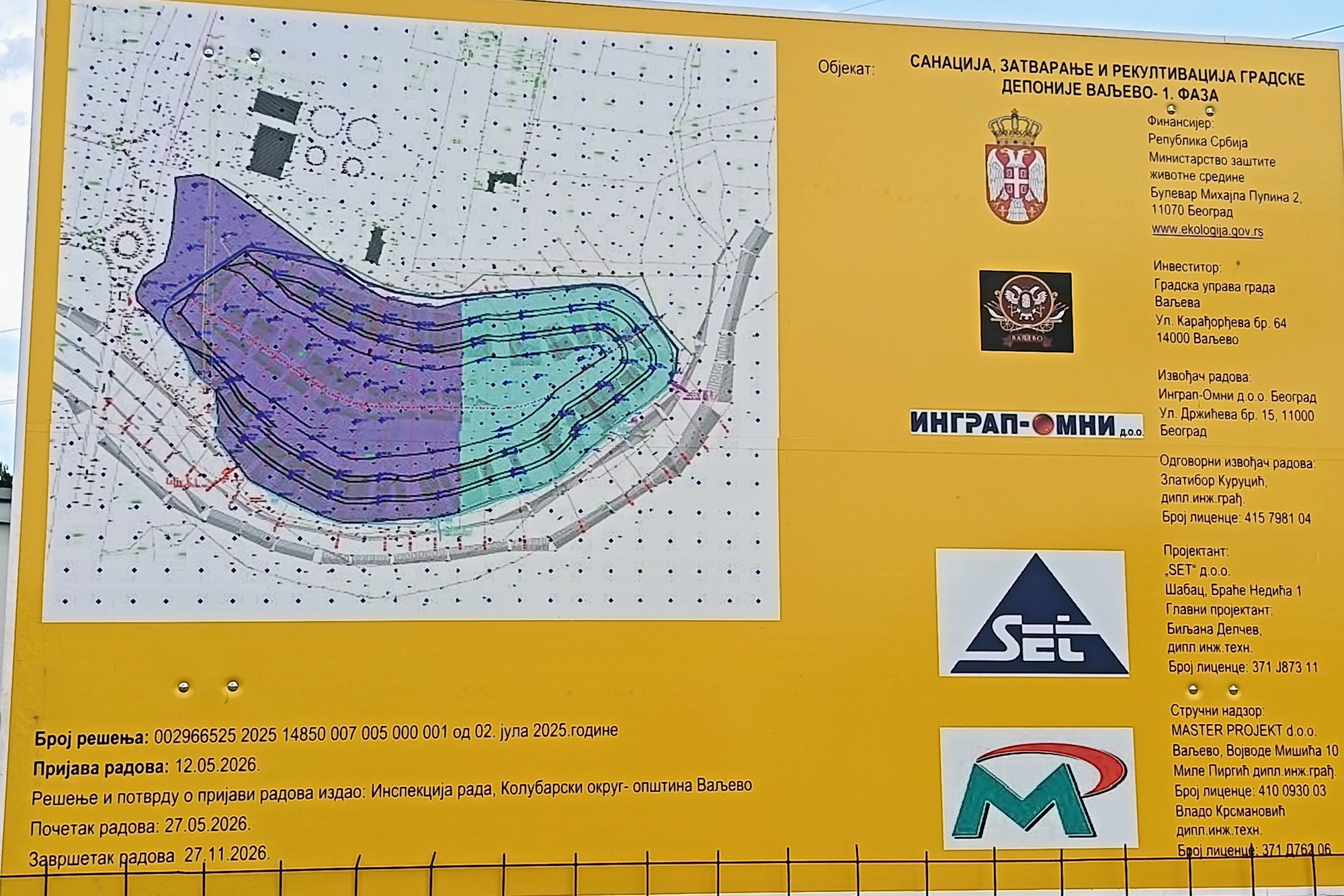
The documentation we received also raised a serious question about which legal act authorised the works themselves. When we requested the building permit or other appropriate authorisation, the City Administration provided us with the Ministry of Environmental Protection’s approval of the preliminary design. However, the number of a decision issued by the occupational safety inspectorate is displayed on the construction site sign. We have therefore referred this issue for expert and legal review. We also requested the environmental monitoring plan and the results of water, air and soil monitoring. The City Administration extended the response deadline from 15 to 40 days, stating that it needed additional time to collect extensive documentation.
How can citizens monitor whether the works are being carried out in accordance with the project, deadlines and environmental protection measures? What should they pay attention to during the remediation?
Citizens should not be expected to act as civil engineers or carry out the work of professional supervisors. But they have every right to ask whether the remediation is being carried out lawfully and properly, with public money, and, above all, whether it is actually reducing environmental risks.
They can monitor what they can directly see and experience: smoke, dust and unpleasant odours, the condition of surrounding soil and watercourses, how waste is being handled and changes at the site itself. But their most important question should be a simple one: Is the state of the environment better after the remediation than it was before? Statements that “the works are proceeding according to plan” are not enough to answer that question. What is needed is data on water, air and soil quality and comparisons over time.
Local residents have already complained about extremely unpleasant odours and dust during the works. It is therefore particularly important for the public to know what is being done with the waste that has accumulated over decades along the banks of the Kolubara River, how it is being treated and where it ends up.
What can citizens do when they have questions, concerns or reason to suspect that something is not being implemented as announced? What mechanisms are available to them?
First, they can ask questions. They can request documentation from the City Administration, the public utility company or the Ministry, using their right to access information of public importance. They can document what they observe in the field, connect with their neighbours, contact the relevant inspectorate, the media or organisations that can help them understand the documentation and make use of legal mechanisms.
Our project is intended, in part, to fill the gap created by the lack of publicly available information about the remediation. With the support of the ECO SYSTEM programme and independent experts, we are preparing an accessible presentation of the remediation project, collecting and analysing documentation, and developing a simple citizen monitoring tool. Once we have sufficient information and solid evidence, we will also use appropriate legal mechanisms to protect the right to information and the right to a healthy environment.
How can citizens assess whether the works are being carried out in accordance with the project and the announced schedule? What should they monitor during the remediation itself?
Before anyone can say that the works are being carried out “according to the project”, it first needs to be clear which project has been approved, on the basis of which legal act the works are being carried out, and exactly what that project provides for. This is precisely where our investigation has raised questions to which we still do not have satisfactory answers. The documentation provided to us by the City has so far failed to clarify the issue of the appropriate authorisation for carrying out the works, which is why we have requested an expert and legal review.
It is also important to monitor the money and any changes to the contract. Just two months after the works began, an annex was signed increasing the remediation cost by more than eight million dinars due to “unforeseen works”. This does not in itself mean that something is wrong, but it is certainly a reason for the public to receive a clear explanation of what was unforeseen, why it was not included in the original plan and what is being carried out with the additional funds.
And finally, citizens should be most interested in the results: what is the quality of the water, air and soil, and is the remediation actually reducing the landfill’s negative impacts? That is precisely why we requested the monitoring plan and measurement results.
Remediation Is Not the End of the Story
The start of the works may be an important step towards resolving a decades-old problem, but for the people of Valjevo it also raises new questions: how will the existing waste be managed during the remediation, what environmental protection measures will be applied, what will the final closure of the site look like, and who will monitor the site afterwards?
That is why the project “Landfill 2.0 – From Blockade to Monitoring”, implemented by Lokalni odgovor with the support of the ECO SYSTEM programme, does not end with monitoring construction works. Its goal is to empower citizens to understand environmental protection processes, use available mechanisms to access information, and participate in monitoring local policies and decisions that affect their living environment.
Your project is not limited to monitoring the construction works. What do you want citizens to learn and be able to do themselves, without depending on organisations like yours?
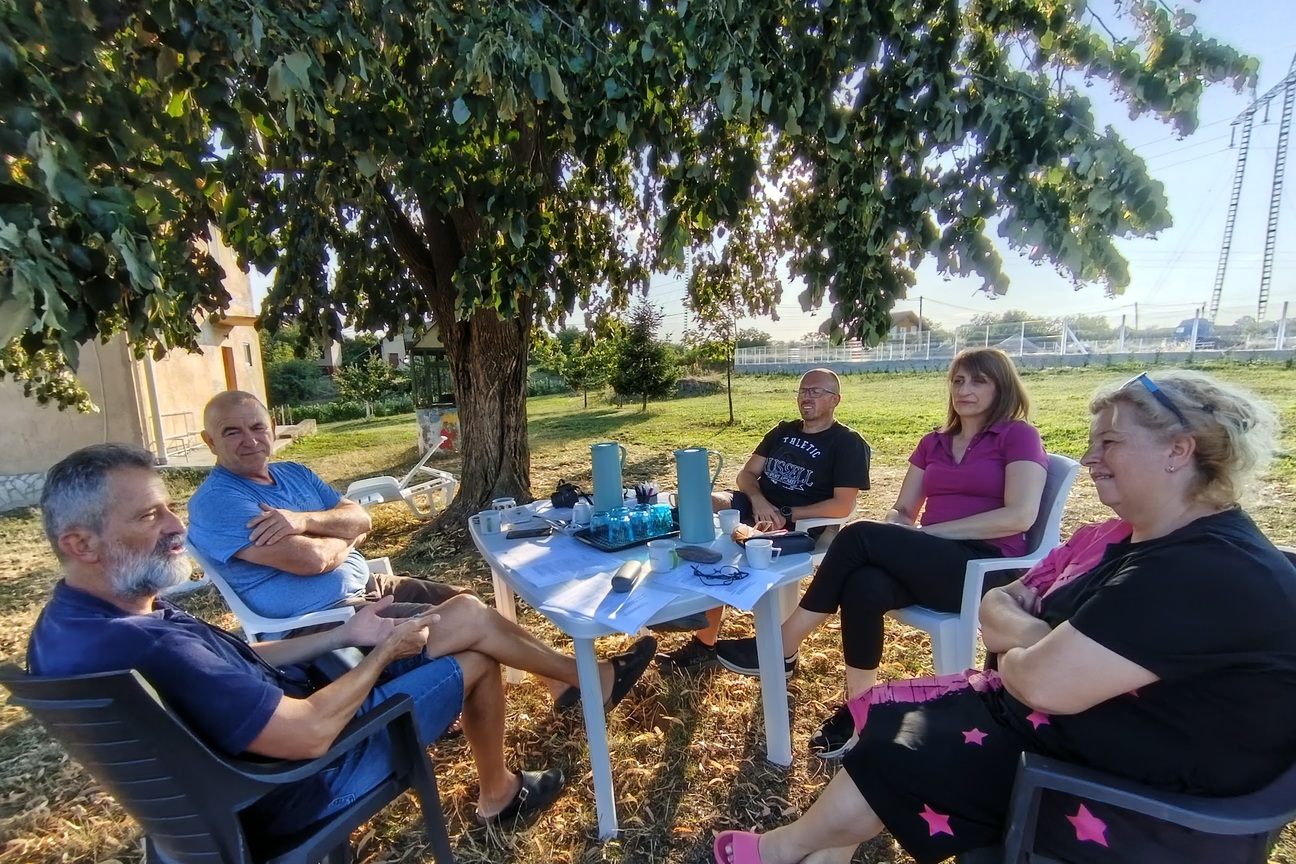
Our civic action is actually only beginning with the establishment of a monitoring group. After the exhausting blockade, we want to encourage people to remain involved, but in a different way – to know how to obtain information, understand what it means and ask the right questions.
With the help of experts, we will prepare accessible explanations of what landfill remediation is, what it should look like, what it must achieve and what happens after the works are completed. Together with citizens, we are also developing a simple monitoring tool that will not require specialised technical or legal knowledge.
The best outcome of the project would be that, in a few years’ time, the Lokalni odgovor group is no longer needed for citizens to know whom to contact, what to ask and how to verify the answer. We want to be a resource for the community, rather than its permanent intermediary with institutions.
How important is it to bring together people living near the landfill, informal groups, civil society organisations, experts and the media around issues like these?
Such cooperation should have existed much earlier, and it would have been natural for the body responsible for waste management and landfill remediation to have initiated it. Instead, for years we had promises and delays, until citizens decided that they could no longer tolerate the situation and first physically blocked the landfill and then secured a court order banning further waste disposal.
The ECO SYSTEM supporting programme to civil society organisations for environmental protection has been implemented by Young Researchers of Serbia since 2020, with the support of Sweden.