



10 Jun Visit to Kraljevo and Studenica Fire Departments: Building Climate Resilience Together
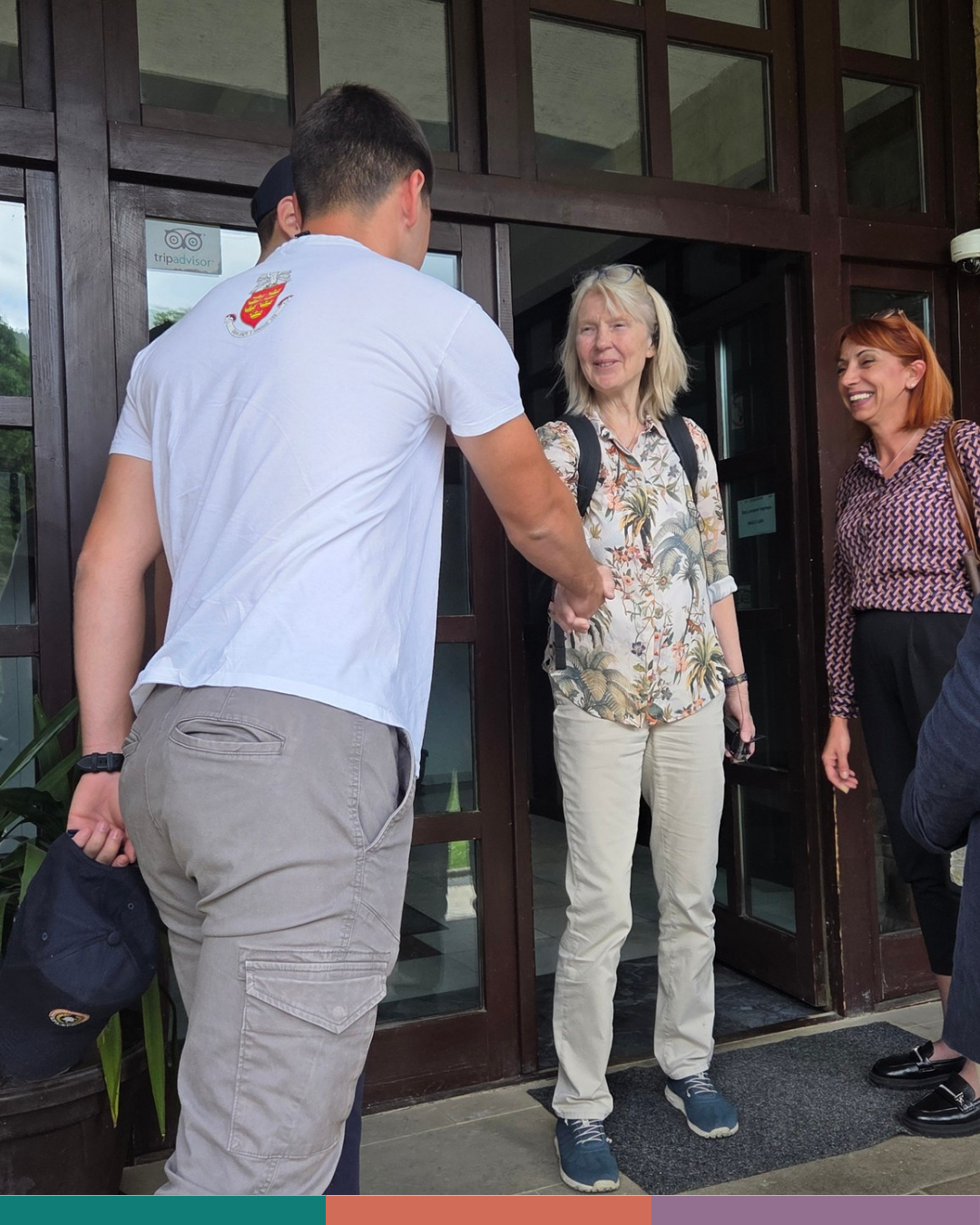
At a time when climate change is bringing increasingly frequent and intense droughts, heatwaves, and a growing risk of forest fires, local communities play a key role in protecting nature and adapting to new challenges. Representatives of the Young Researchers of Serbia, together with Ann Charlotte Malm, Head of the Development Cooperation Department at the Embassy of Sweden in Serbia (Sida), recently visited the Volunteer Firefighting Associations of Kraljevo and Studenica, operating in the area around the Studenica Monastery.
Sweden, through the ECO SYSTEM programme implemented by the Young Researchers of Serbia for the seventh year in a row, continues to strengthen the role of civil society organizations in preventing climate risks and building more resilient local communities. The visit by Ann Charlotte Malm, Head of Development Cooperation at the Embassy of Sweden in Serbia, provided an opportunity to present the results of many years of work by Volunteer Fire Department Kraljevo and Volunteer Fire Department Studenica in fire prevention and protection, as well as the contribution that support through all previous cycles of the ECO SYSTEM programme has made to strengthening local community capacities, forest conservation, and youth education.
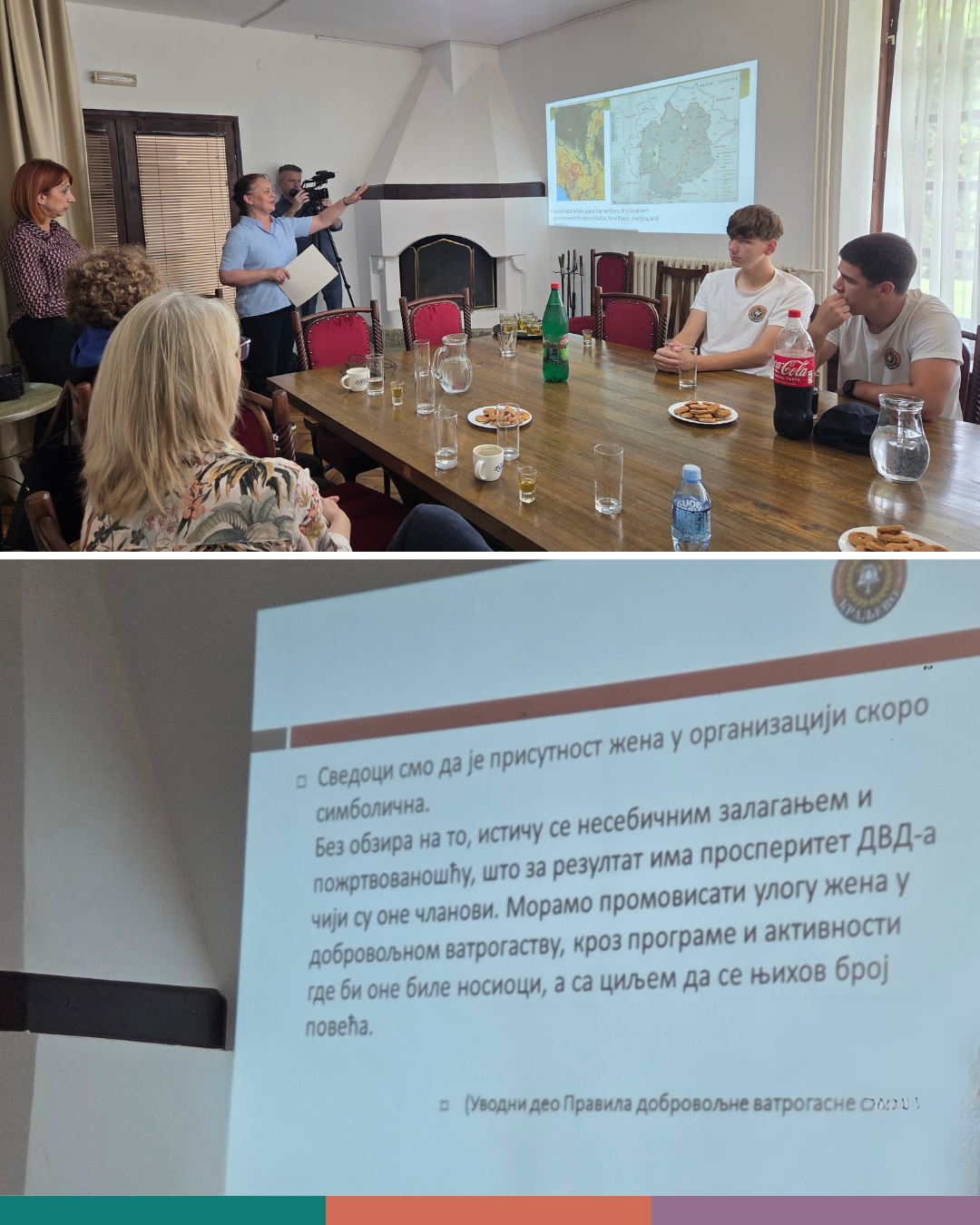
A special highlight of the visit was the introduction to the work of the women’s firefighting unit, led by Katarina Dimitrijević and Mirjana Prodanović from the Volunteer Fire Department Kraljevo. This is the only formally organized women’s firefighting unit in Serbia, which actively promotes the role of women in volunteer firefighting through various programs and activities, with women themselves being the drivers of these initiatives.
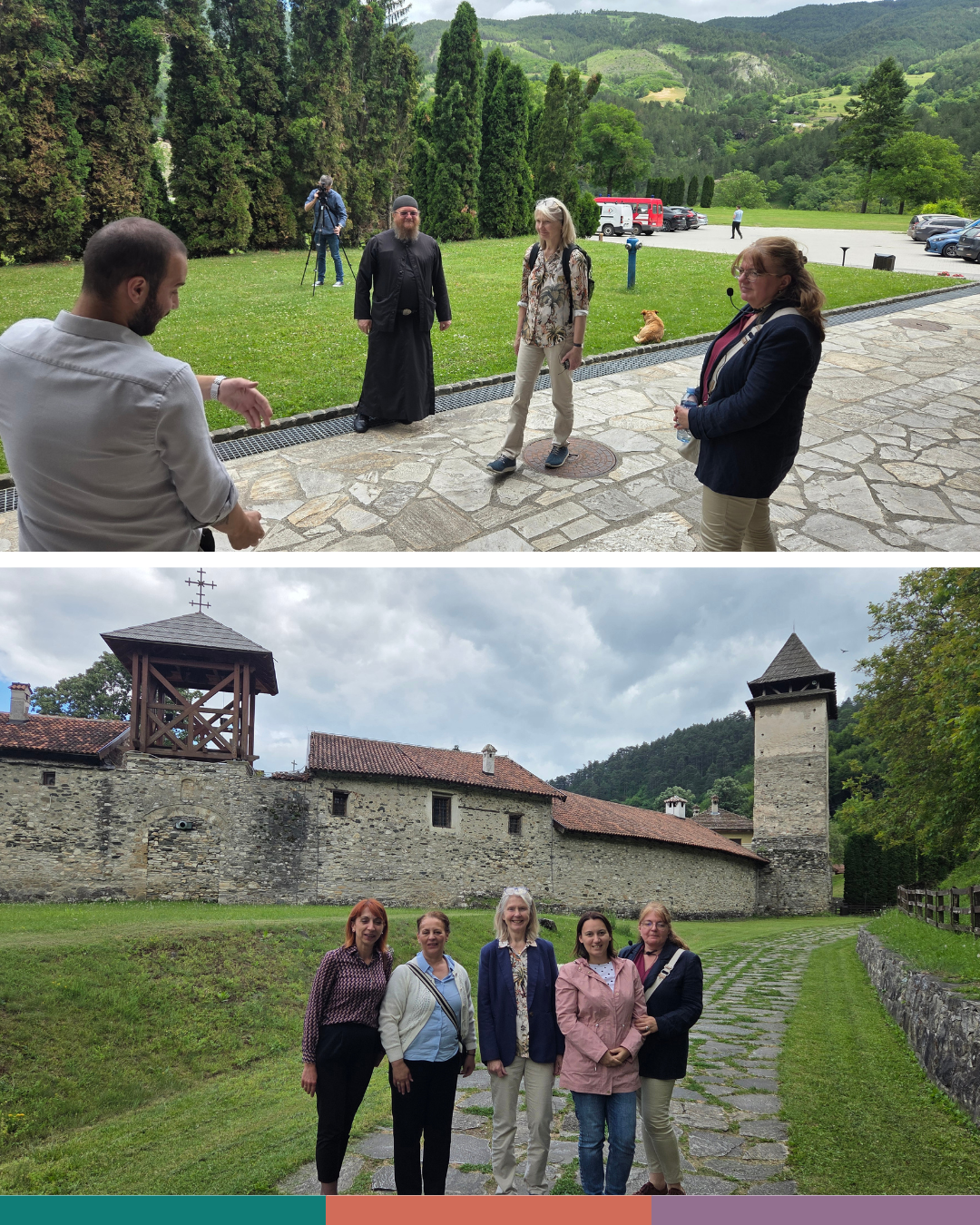
A formal welcome was organized at the guesthouse of the Studenica Monastery, where the guests were greeted by Monk Lavrentije from Studenica Monastery. This was followed by a presentation of the Volunteer Fire Departments of Kraljevo and Studenica, including an overview of their activities and successes in preventing and extinguishing forest fires, the importance of biodiversity and ecosystems in this area, and participants also had the opportunity to see firefighting equipment in use.
“Volunteer firefighters successfully participated in localizing 19 forest fires in 2025 and carried out around 50 interventions during the summer season. Their dedication was especially evident on a day when they independently responded to as many as five interventions, without the presence of professional firefighters,” said Dimitrije Jovičić, President of the Volunteer Fire Department Kraljevo.
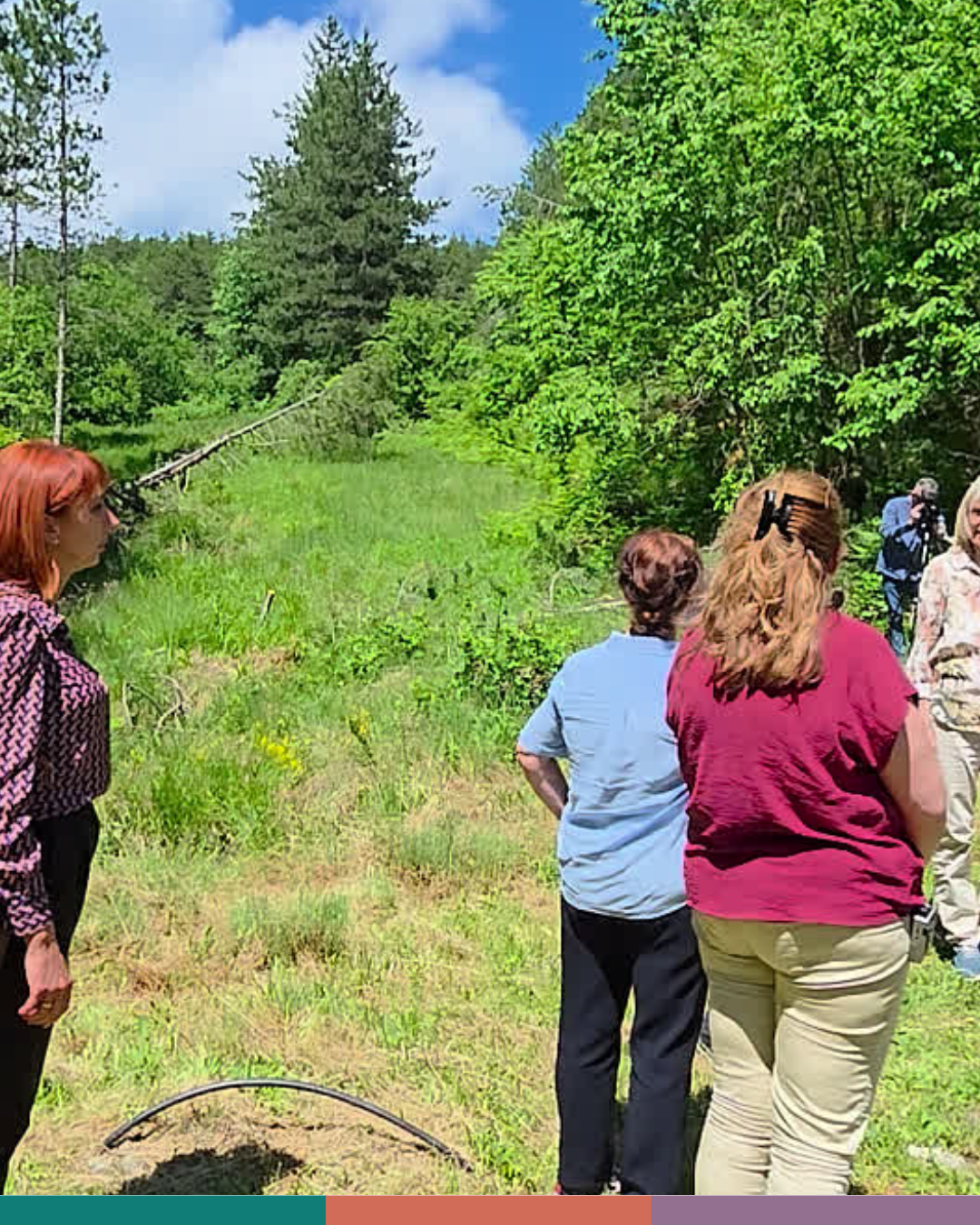
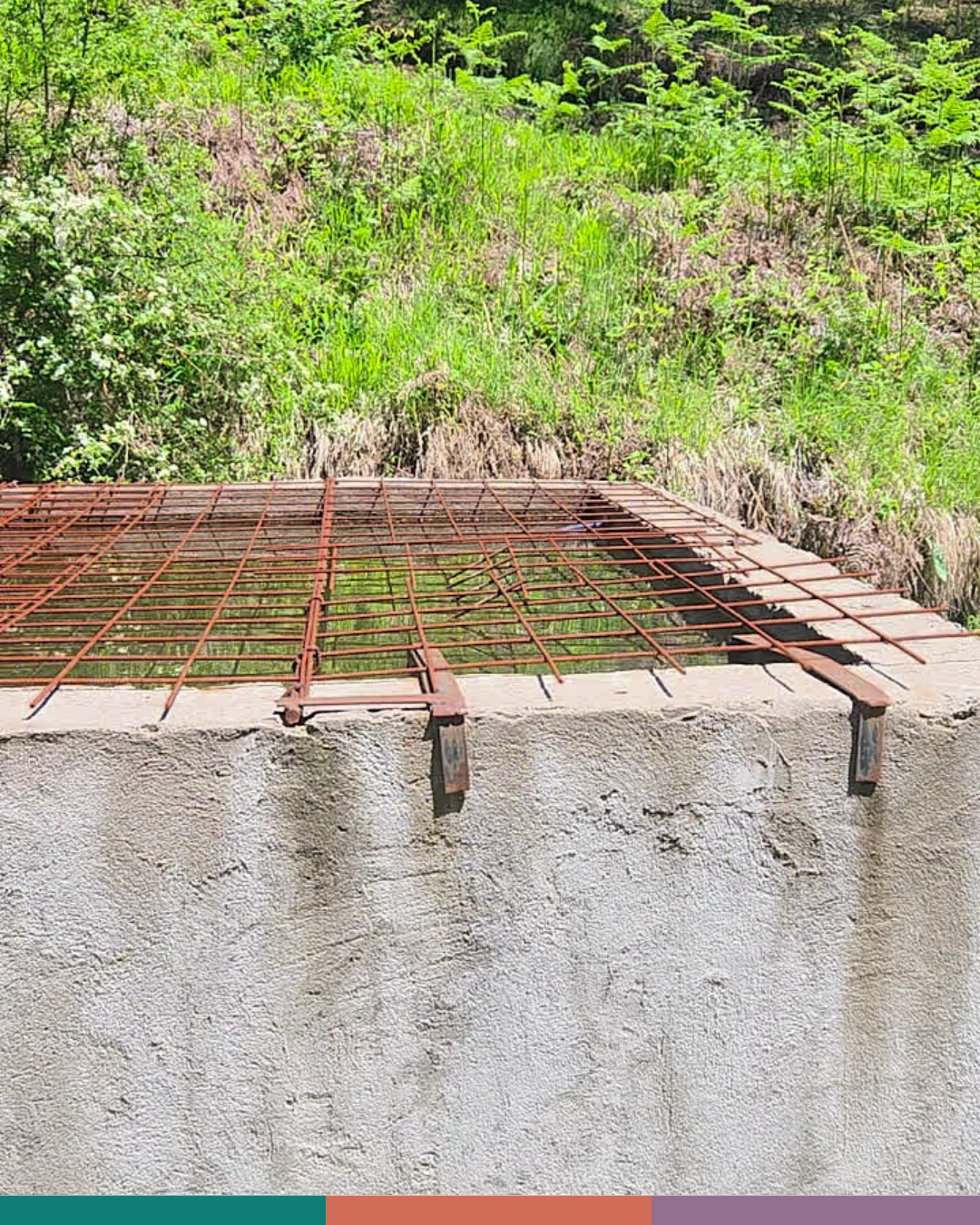
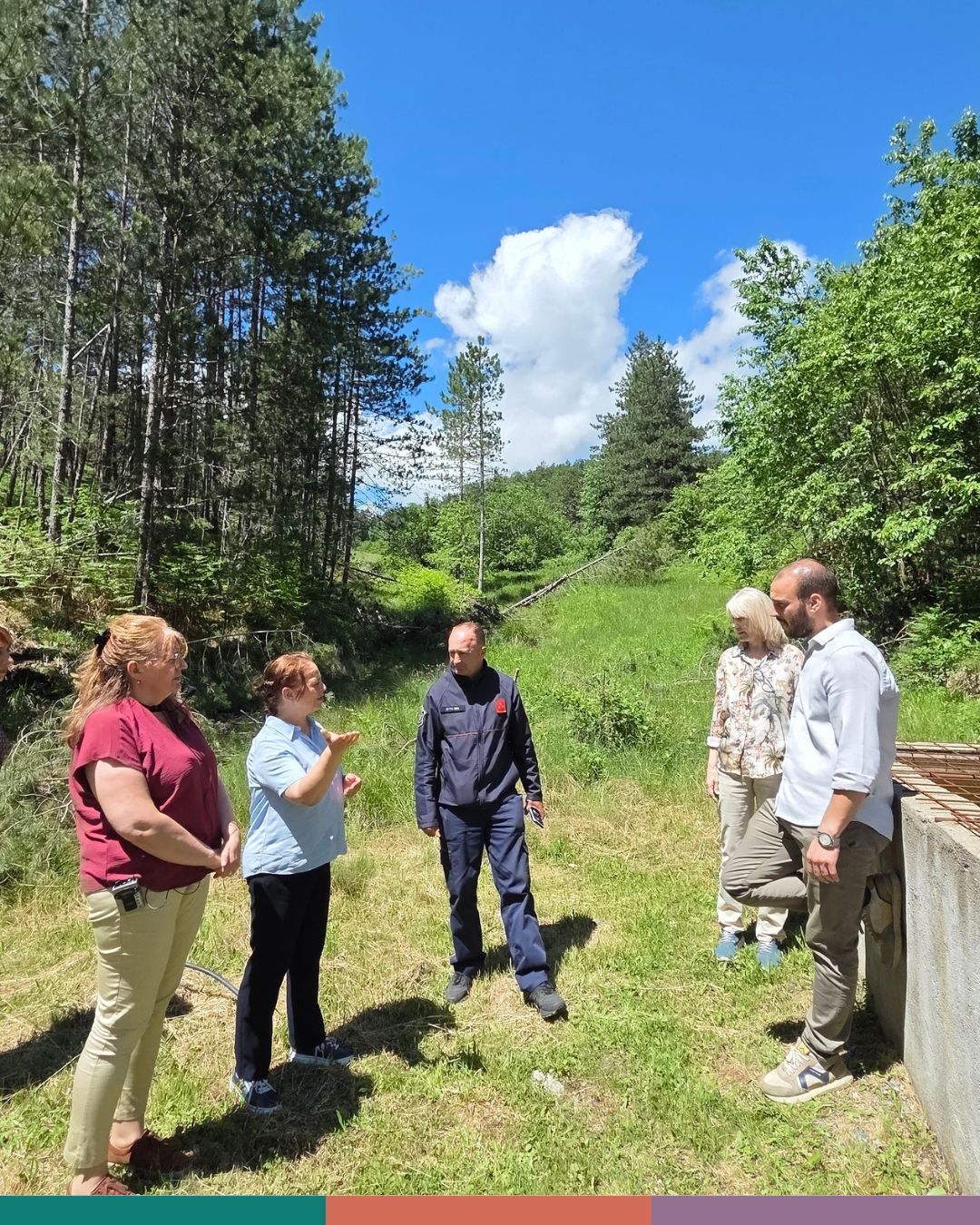
The main part of the monitoring visit also included an inspection of a dedicated water intake system and reservoir in the village of Šošanica. These facilities significantly reduce water delivery time and enable rapid response in the early stages of fires, representing an important resource for faster and more efficient action in case of fires in inaccessible terrain.
“Climate resilience can be built in the long term through education, prevention, and community involvement. In this process, support from the EKO-SYSTEM program has been extremely important, as it enabled us to further develop our capacities in implementing public policies in the field of forest protection, as well as to carry out activities that directly contribute to environmental protection and the preservation of natural resources. In this way, we have continuously worked to become more effective in responding to climate challenges, while simultaneously protecting forests and ensuring the safety of our local communities,” said Katarina Dimitrijević from the Volunteer Fire Department Kraljevo, adding that the support of the ECO SYSTEM programme has broader significance for civil society organizations in the environmental sector, as it enables ideas from the field to be transformed into concrete and sustainable results.
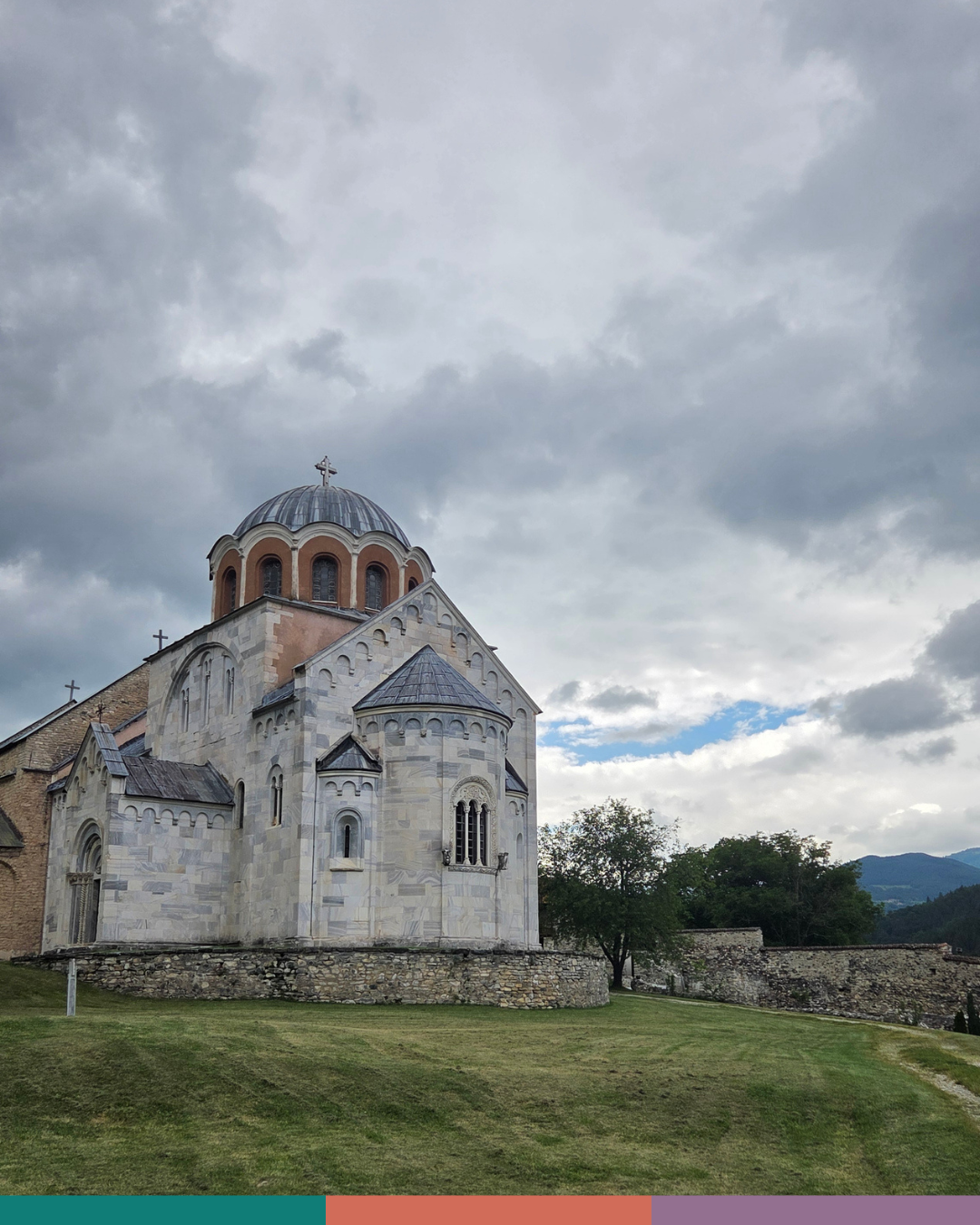
The visit concluded with a tour of the Studenica Monastery complex, located within the “Golija-Studenica” Biosphere Reserve, a UNESCO World Cultural and Natural Heritage site. During the visit, Ann Charlotte Malm had the opportunity to experience the unique blend of cultural and natural heritage in the region, as well as the commitment of local communities actively working to preserve it—from protecting natural resources to safeguarding the cultural and historical values of Studenica Monastery and its surrounding area.
You can also watch the report by Regional Television Kraljevo and Ibarske Novosti HERE.